Home
About me
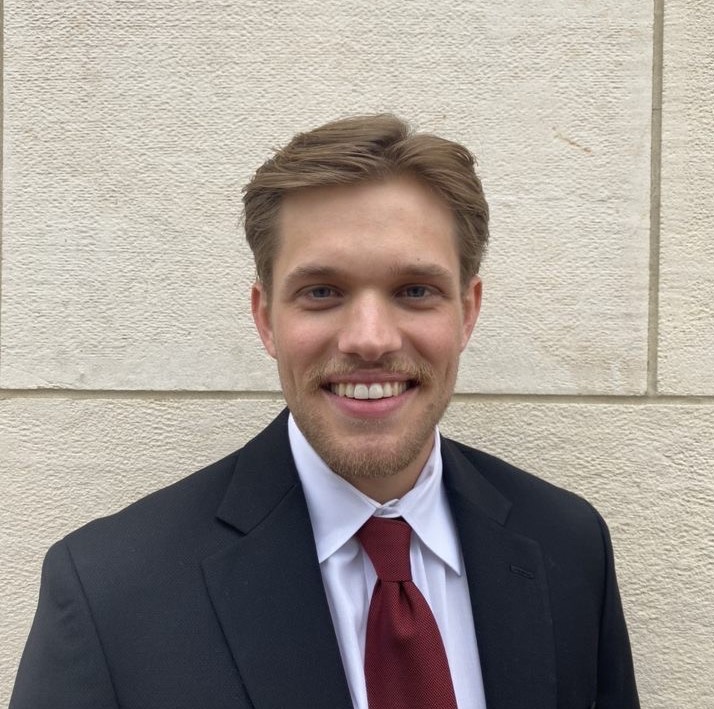
I am currently a postdoctoral research associate in the Convergence Institute at Johns Hopkins University School of Medicine. I received my B.S from UT San Antonio in biomedical engineering in 2020, and my M.S in 2022 from UT Austin. I completed my Ph.D. in 2024 in biomedical engineering from UT Austin. My curriculum over this time has focused on medical imaging, computational methods, and computer science, which led me into research in computational oncology for my dissertation. Before starting my PhD I worked in a biophotonics lab for 2 years, developing experimental protocols for the optimization of small molecule detection with a photonic crystal biosensor. I am no longer a wet-lab scientist, but from this experience gained valuable insight into the kind of researcher I wanted to be.
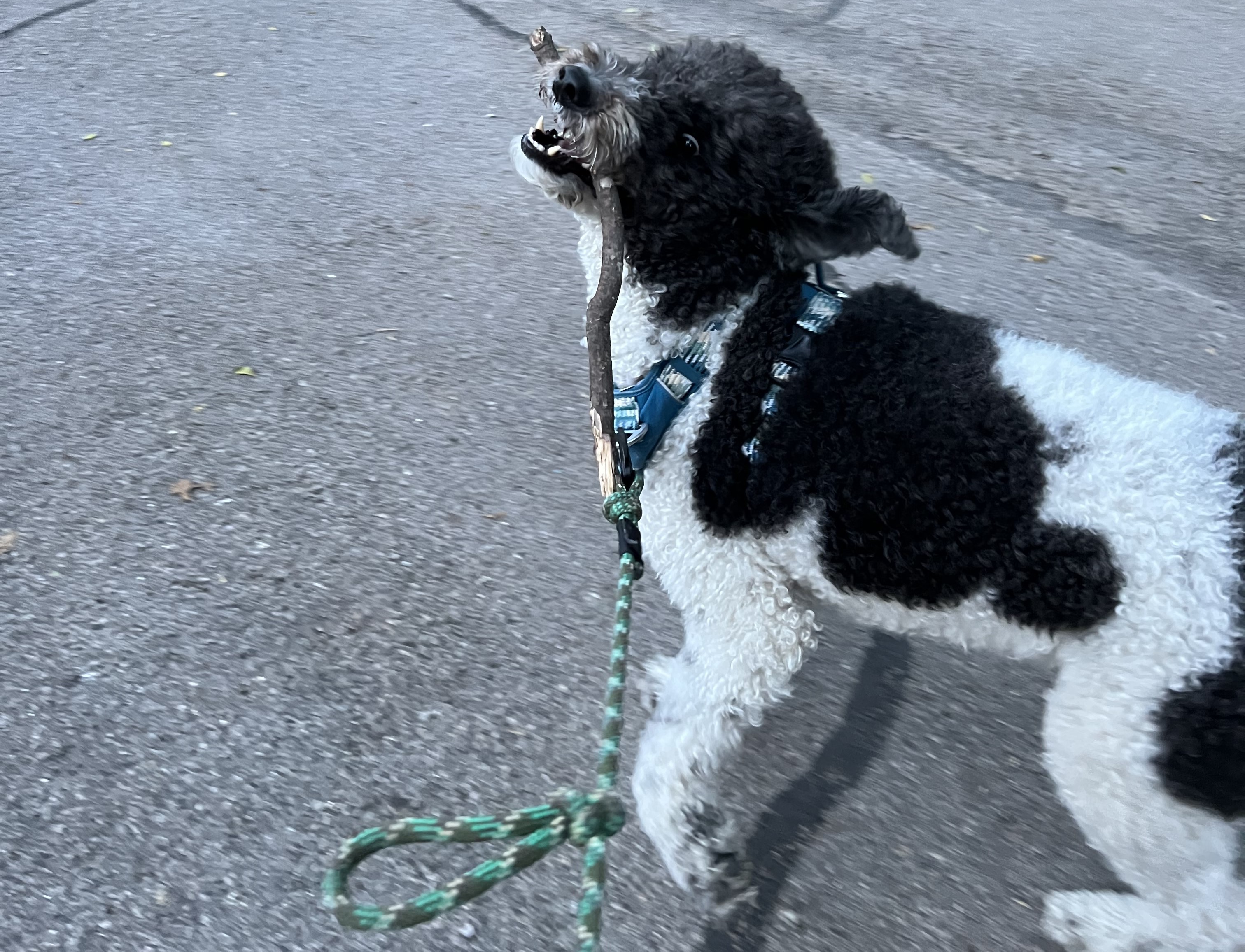
When I’m not doing research I like to go outdoors, hang out with my dog, read, watch sports, or paint.
Research interests
My broad research interests involve building predictive models for cancer patients that can be used to inform clinical decision making, whether through early identification of response, or feedback on patient treatment regimens. With clinical applications in mind, my recent focus has been on dimensionality reduction and uncertainty quantification of numerical simulations for these patients. This research is built on trends within a patient’s medical imaging dataset, and I am particulary interested in broadening my skills in the area of automated detection and risk assessment based on images. I am always looking for new methods to identify patterns in data that can be leveraged to improve medical decision making frameworks.
Current projects
I I am currently working with Dr. Atul Deshpande and Dr. Aleksander Popel at Johns Hopkins University to build and validate computational models that pull from multi-omics data sources. Our first direction is targeting frameworks for model inference and digital twin construction of agent based models from single cell, aggregated data (e.g., CODEX, Xenium, etc.). The second is looking at how spatial biology data can provide observables back to mechanistic models, through niche characterization and foundation model interpretability wrappers. These projects will help reach towards a larger goal of personalized medicine for cancer patients.
Past experiences
2017 - 2020: UT San Antonio, B.S in Biomedical engineering, Minor in Computer Science
2020 - 2022: UT Austin, M.S in Biomedical engineering
2020 - 2024: UT Austin, Ph.D. in Biomedical engineering
2018 - 2020: Undergraduate researcher, Advanced Biophotonics & Nanomaterials Laboratory, University of Texas at San Antonio
2020 - 2024: Graduate research assistant, Center for Computational Oncology, University of Texas at Austin
2025 - 2026: Postdoctoral research associate, Scientific Computing and Imaging Institute, University of Utah
2026 - Present: Postdoctoral research associate, Convergence Institute, Johns Hopkins University School of Medicine